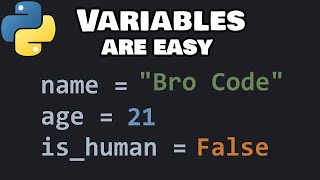
Web Reference: Jul 15, 2025 · Python supports different types of literals, such as numeric literals, string literals, Boolean literals, and special values like None. For example: 10, 3.14, and 5 + 2j are numeric literals. 'Hello' and "Python" are string literals. True and False are Boolean literals. Literals are parameterized with one or more values. When a Literal is parameterized with more than one value, it’s treated as exactly equivalent to the union of those types. That is, Literal[v1, v2, v3] is equivalent to Literal[v1] | Literal[v2] | Literal[v3]. When you use literals, you hardcode values. This means that wherever the literal appears, it will always represent the same value. This is useful for initializing variables with known values or defining constants. Here are some example demonstrating different types of literals in Python:
YouTube Excerpt: Learn
Information Profile Overview
Basic Literals In Python Python - Latest Information & Updates 2026 Information & Biography

Details: $56M - $86M
Salary & Income Sources

Career Highlights & Achievements




Assets, Properties & Investments
This section covers known assets, real estate holdings, luxury vehicles, and investment portfolios. Data is compiled from public records, financial disclosures, and verified media reports.
Last Updated: April 6, 2026
Information Outlook & Future Earnings

Disclaimer: Disclaimer: Information provided here is based on publicly available data, media reports, and online sources. Actual details may vary.