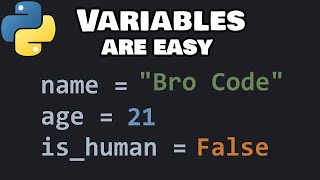
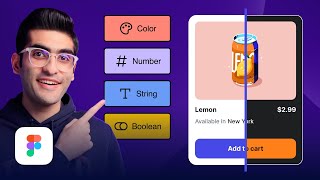
Web Reference: The primary way to create a variable in Python is to assign it a value using the assignment operator and the following syntax: In this syntax, you have the variable’s name on the left, then the assignment (=) operator, followed by the value you want to assign to the variable at hand. Variables are containers for storing data values. Python has no command for declaring a variable. A variable is created the moment you first assign a value to it. Variables do not need to be declared with any particular type, and can even change type after they have been set. The more astute beginner observes that the only difference in each of those lines is a number that changes based on a rule, and decides to use a loop. However, they get stuck on how to dynamically create those variable names, and may try something like this:
YouTube Excerpt: Welcome to Transcode! We want to
Information Profile Overview
Creating A Variable - Latest Information & Updates 2026 Information & Biography

Details: $61M - $96M
Salary & Income Sources

Career Highlights & Achievements






Assets, Properties & Investments
This section covers known assets, real estate holdings, luxury vehicles, and investment portfolios. Data is compiled from public records, financial disclosures, and verified media reports.
Last Updated: April 5, 2026
Information Outlook & Future Earnings

Disclaimer: Disclaimer: Information provided here is based on publicly available data, media reports, and online sources. Actual details may vary.